

Osteomesh Dual – Wide PCL mesh
A wide PCL scaffold for structural support in rhinoplasty, with a 25 mm breadth and thickness options specific to each size.
Catalog OsteoporeLegal documentsExplore configurations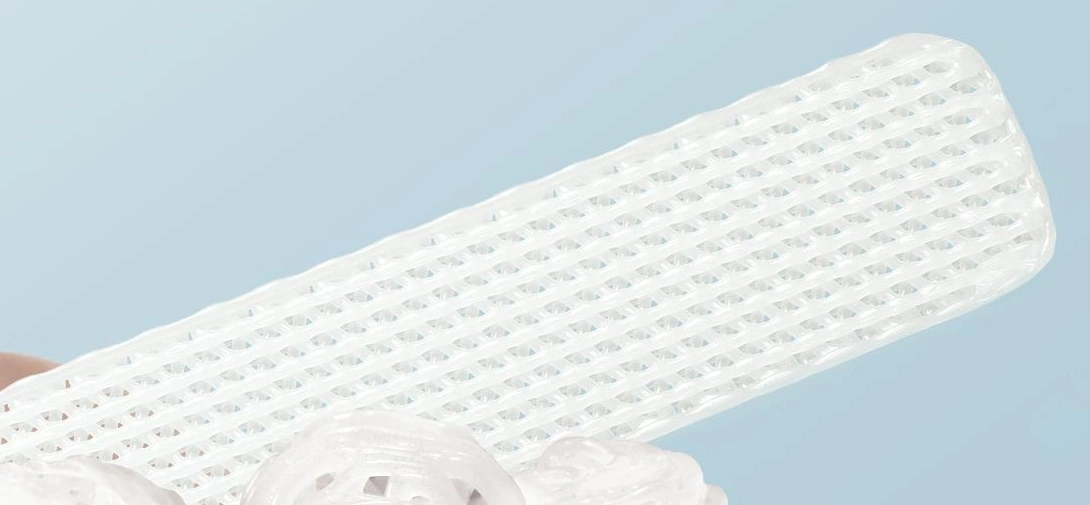
Design and application
A wide PCL scaffold for structural support in rhinoplasty, with a 25 mm breadth and thickness options specific to each size.
The 25 mm breadth distinguishes Dual from the narrow 10 mm plate. The 39 × 25 mm group has 1 mm and 1.25 mm thicknesses; the 40 × 25 mm group has 0.8 mm and 0.5 mm options.
The surgeon selects geometry according to anatomy and the graft, combining it with cartilage as directed by the instructions for use.
- Wide mesh plate
- Nasal strut and septal support
- 3D-printed PCL with interconnected pores
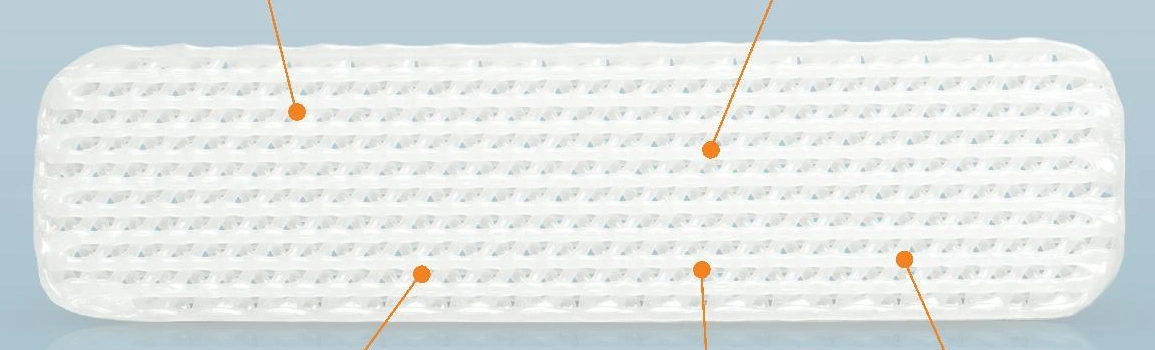
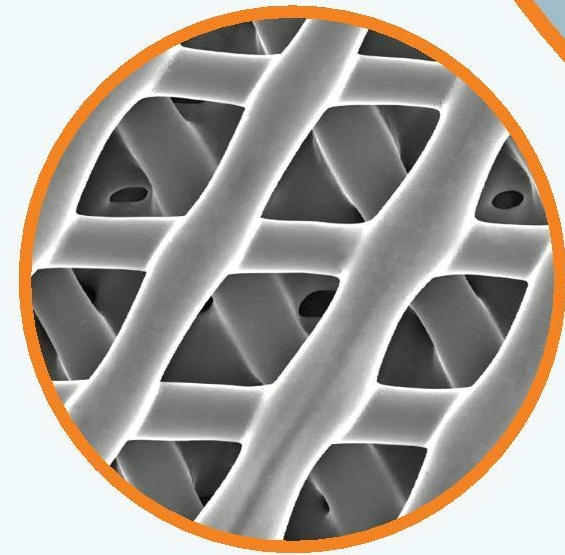 Osteomesh microstructure
5Product specifications
| Product group | Dimensions (mm) | Product model |
|---|---|---|
| Osteomesh Dual – Wide PCL meshProduct details | 39 × 25 × 1 39 × 25 × 1.25 40 × 25 × 0.8 40 × 25 × 0.5 Wide mesh plate | 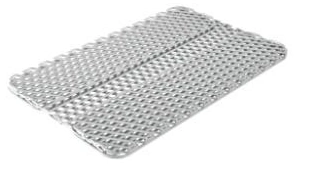 |
PCL Twin dimensions apply to each plate. Droneball PC51 has four dimensions: length × width × depth × height. Contact Vihan for the required model and configuration.
- Model
- Osteomesh Dual
- Dimensions (mm)
- 39 × 25 × 1 / 39 × 25 × 1.25 / 40 × 25 × 0.8 / 40 × 25 × 0.5
- Material
- Polycaprolactone (PCL)
- Manufacturer
- Osteopore International Pte Ltd, Singapore
PCL material and 3D-printed architecture
Polycaprolactone (PCL) is a biodegradable polymer. 3D printing produces a scaffold with interconnected pores rather than a solid implant.
Open pores provide space for tissue ingrowth. Degradation occurs gradually and depends on material, placement and individual response.
Choosing breadth and thickness
The 25 mm breadth distinguishes Dual from the narrow 10 mm plate. The 39 × 25 mm group has 1 mm and 1.25 mm thicknesses; the 40 × 25 mm group has 0.8 mm and 0.5 mm options.
The surgeon selects geometry according to anatomy and the graft, combining it with cartilage as directed by the instructions for use.
Professional selection and handling
These implants are used by appropriately qualified clinicians. Size, tissue coverage and fixation are selected following individual assessment.
Check the model, packaging integrity and expiry date before use. Follow the supplied instructions for indications, contraindications, storage and handling.
4Clinical follow-up
Osteomesh
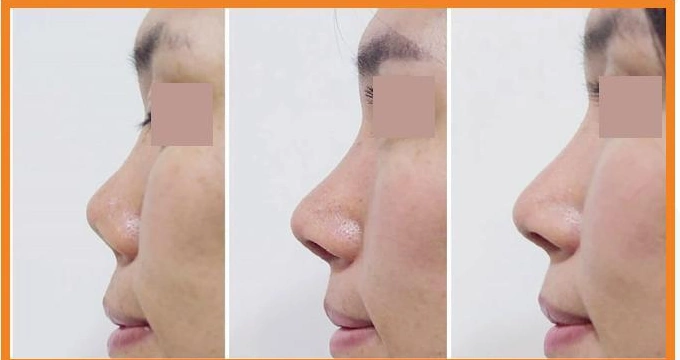
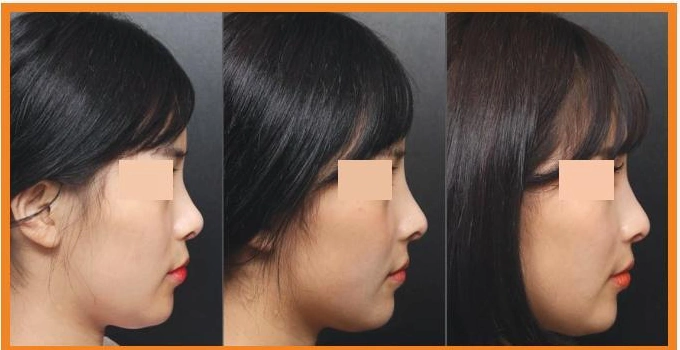
Follow-up images published in the Osteopore brochure. Outcomes depend on the indication and individual case.
Application images from the Osteopore brochure

Frequently asked questions
How is this configuration identified?
Osteomesh Dual. Dimensions: 39 × 25 × 1 / 39 × 25 × 1.25 / 40 × 25 × 0.8 / 40 × 25 × 0.5 mm.
Is PCL a permanent implant material?
PCL biodegrades gradually. A fixed resorption time cannot be applied to every implantation site and patient.
How do I request the correct configuration?
Provide the product name, model, dimensions and quantity when contacting Vihan. The team can assist with availability and professional documentation.
Osteopore brochure
English–Vietnamese brochure covering material, design and product configurations.